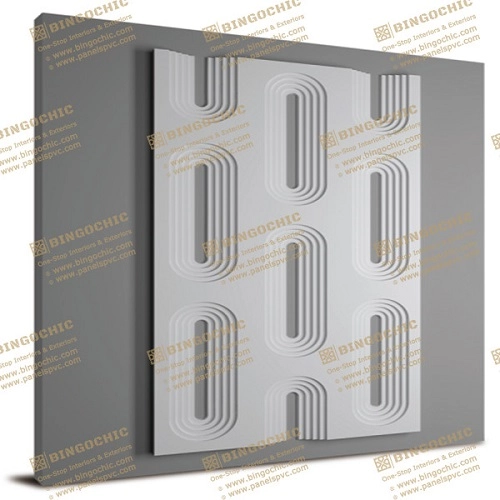
Decorative wall panels are an increasingly popular solution for enhancing both the aesthetic appeal and functional performance of interior and exterior spaces. Among the many variants available, UV‑resistant decorative wall panels stand out for their ability to withstand prolonged exposure to sunlight without degrading in appearance or performance.
What Are UV‑Resistant Decorative Wall Panels?
UV‑resistant decorative wall panels are architectural surface coverings designed not only to beautify walls but also to endure exposure to ultraviolet (UV) radiation from sunlight. Unlike standard panels, which can fade, crack, or warp over time when exposed to intense sun, UV‑resistant panels are engineered with materials and surface treatments that mitigate these effects.
These panels can be used in outdoor facades, interior sun‑soaked spaces, commercial buildings, residential exteriors, and high‑traffic areas such as lobbies and atriums.
Why UV Resistance Matters
Sunlight contains ultraviolet radiation in the UV‑A and UV‑B wavelengths, which can cause chemical and physical changes in many materials:
- Fading of pigments and colors
- Brittleness and cracking
- Surface chalking and degradation
- Loss of mechanical performance
When decorative panels are exposed to UV radiation without adequate protection, they can deteriorate quickly and require frequent replacement or repair—resulting in higher lifetime costs and reduced visual appeal.
UV‑resistant panels incorporate stabilizers, coatings, or inherently UV‑stable materials to reduce these degradation mechanisms, resulting in longer service life and consistent performance.
Core Materials and UV‑Resistance Technologies
UV‑resistant decorative wall panels can be manufactured from a variety of materials, each with distinct properties and benefits. The UV resistance is achieved through material composition and protective technologies.
1. High‑Pressure Laminate (HPL)
HPL panels consist of layers of cellulose fiber impregnated with thermosetting resins and fused under high heat and pressure.
- UV Protection: Special UV‑resistant resins and surface treatments prevent fading.
- Properties: Exceptional wear resistance, color stability, wide design options.
- Applications: Exterior cladding (RAINSCREEN systems), interior walls, commercial facades.
2. Composite Panels (e.g., Aluminum Composite Material – ACM)
Composite panels combine a core material sandwiched between two metal skins.
- Core Types: Fire‑retardant cores (mineral‑filled), polyethylene (PE).
- UV Resistance: Coatings such as PVDF (polyvinylidene fluoride) or FEVE (fluoroethylene vinyl ether) provide outstanding UV stability and weathering resistance.
- Properties: Lightweight, dimensional stability, sleek modern appearance.
3. Fiber Cement Panels
Comprised of cement reinforced with cellulose or synthetic fibers.
- UV Performance: Inherently UV‑stable due to mineral content; pigmentation does not degrade easily.
- Properties: Fire‑resistant, moisture tolerant, insect resistant.
- Applications: Exterior cladding, especially in coastal or high‑UV environments.
4. Engineered Thermoplastics (PVC, Polycarbonate)
These include plastics engineered for exterior use.
- UV Stabilizers: Additives like UV absorbers and hindered amine light stabilizers (HALS) improve performance.
- Properties: Lightweight, impact‑resistant, customizable surface textures.
- Drawbacks: Can be less rigid than composites or HPL.
5. Wood‑Derived Panels with UV Protection
Wood veneers or engineered wood panels can be treated with coatings that block UV penetration.
- Surface Coatings: UV‑blocking varnishes, acrylic layers with UV absorbers.
- Properties: Natural aesthetics, sustainable sourcing (if certified).
- Challenges: Requires maintenance coatings over time.
Technical Aspects of UV Resistance
UV resistance in wall panels is a combination of material chemistry, surface coatings, and testing standards.
UV Stabilizers and Additives
Materials can incorporate:
- UV Absorbers: Molecules that absorb harmful UV radiation and dissipate it as low‑energy heat.
- Hindered Amine Light Stabilizers (HALS): Scavenge free radicals formed by UV exposure, slowing degradation.
- Antioxidants: Inhibit oxidative reactions that are accelerated by UV exposure.
Surface Coatings
High‑performance coatings enhance UV resistance:
- PVDF Coatings: Provide excellent color retention and resistance to chalking.
- Polyurethane and Epoxy Coatings: Offer robust protection but may have different long‑term UV performance.
- Clear UV‑Blocking Layers: Used over decorative finishes to protect pigments.
Testing and Standards
Manufacturers often test UV resistance according to international standards:
- ASTM G154: UV weathering of plastics using fluorescent UV lamps.
- ISO 4892‑3: Plastics – exposure to xenon arc light.
- AAMA 2605: High‑performance organic coatings on architectural aluminum.
Results are typically expressed in terms of hours of exposure and color change (ΔE) which quantifies how much a panel’s color shifts under UV exposure.
Performance Benefits
Longevity and Durability
UV‑resistant panels maintain:
- Color vibrancy
- Surface integrity
- Mechanical properties
This leads to lower replacement and maintenance costs over the life of a building facade.
Aesthetic Stability
Consistent appearance over time is crucial for branded environments, architectural identities, and high‑end residential builds.
Environmental Resistance
Many UV‑resistant panels also perform well against:
- Moisture and humidity
- Temperature fluctuations
- Chemical exposure (pollutants)
Application Areas
Exterior Facades
UV‑resistant panels are ideal for buildings where sunlight exposure is constant.
Typical applications include:
- Commercial office buildings
- Retail storefronts
- Sports facilities
- Government buildings
- Residential exteriors
Interior Spaces with Sunlight Exposure
Spaces such as:
- Atriums
- Lobbies
- Verandas
- Sunrooms
… benefit from UV‑stable panels that prevent interior fading and maintain clean aesthetics.
Specialty Environments
- Coastal regions: Salt and UV resistance are equally important.
- High altitude or desert climates: Increased UV intensity demands robust materials.
Installation Considerations
Correct installation affects both performance and longevity.
Substructure and Fasteners
- Corrosion‑resistant framing: Aluminum or stainless steel.
- Thermal expansion allowances: Especially for metals and plastics.
- Mechanical fixing systems or concealed clips for clean aesthetics.
Joint Treatments
- Sealants: Must be UV compatible to avoid premature breakdown.
- Expansion joints: Prevent buckling and accommodate thermal shifts.
Thermal Performance
Some panels provide insulation layers or can be integrated with:
- Rigid insulation boards
- Ventilated rainscreen systems
This enhances energy efficiency and moisture control.
Maintenance and Cleaning
Long‑term performance depends on proper care:
- Routine washing: Mild detergents and soft brushes prevent surface dirt buildup.
- Avoid harsh chemicals: Solvents may degrade UV coatings.
- Inspection of sealants and joints: Sun‑exposed sealants can degrade even if panels do not.
Sustainability and Lifecycle
Newer UV‑resistant panels incorporate eco‑friendly features:
- Recycled content: Particularly in HPL and composite cores.
- Low‑VOC coatings: For healthier indoor air quality.
- Long life reduces resource consumption: Fewer replacements over decades.
Certifications may include LEED, BREEAM, or similar sustainability standards.
Market Trends and Innovations
Key trends include:
- Digital printing on UV‑stable substrates: Allows limitless customization.
- Nanocoatings: Ultra‑thin films offering superior UV and dirt resistance.
- Integrated solar reflective finishes: Reduce heat gain on building exteriors.
UV‑resistant decorative wall panels combine aesthetics, durability, and technical performance to meet the demanding needs of modern architecture. Whether for high‑sunlight exterior facades or luminous interior spaces, understanding the materials, technologies, and installation requirements is essential for achieving long‑lasting, vibrant surfaces.