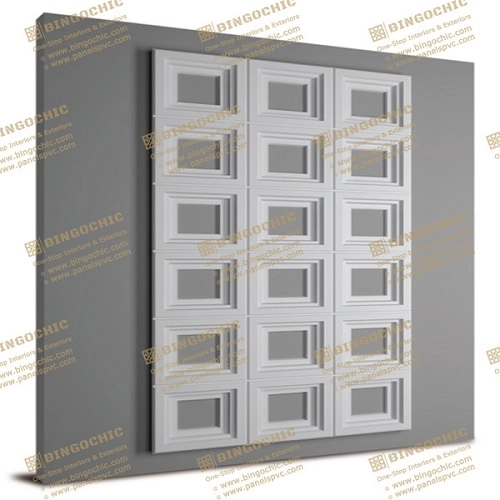
Lightweight wall cladding panels have become a cornerstone of modern construction and architectural design. Offering a combination of aesthetic versatility, performance advantages, and ease of installation, these panels are used across commercial, residential, and industrial projects.
What Are Lightweight Wall Cladding Panels?
Wall cladding refers to external or internal panel systems that are fixed to the surface of a building’s exterior or interior walls to provide protection, insulation, or decorative finish. Lightweight wall cladding specifically denotes panels engineered to have reduced mass while maintaining strength and durability.
Unlike traditional masonry or heavy façades, lightweight cladding systems are designed to minimize structural load, reduce transportation costs, and improve handling and installation efficiency. These panels can be composed of a variety of materials—metal, composites, polymeric materials, and engineered stone alternatives.
Core Materials & Types
Aluminum Composite Panels (ACP)
- Composition: Two thin aluminum sheets bonded to a non-aluminum core (often polyethylene or mineral-filled core).
- Typical Thickness: 3–6 mm (with variations depending on structural requirements).
Properties:
- Excellent formability and surface finish.
- High strength-to-weight ratio.
- Good impact resistance.
- Can be coated with PVDF (polyvinylidene fluoride) or Polyurethane paints for weather resistance.
Fiber Cement Panels
- Composition: Cementitious mixture reinforced with cellulose fibers.
- Typical Thickness: 6–12 mm.
Properties:
- Fire resistance.
- Good dimensional stability.
- Traditional textured aesthetic.
High-Pressure Laminate (HPL) Panels
- Composition: Layers of kraft paper impregnated with resin and fused under heat and pressure, bonded to a substrate.
- Typical Thickness: 8–12 mm.
Properties:
- Wide range of finishes (woodgrain, solid colors, metal effects).
- UV and weather resistance.
- High durability.
Metal Wall Panels (Steel, Aluminum, Zinc, Copper)
- Composition: Solid metal sheets, sometimes with hidden fasteners.
- Thicknesses: 0.7–1.5 mm typical for cladding applications.
Properties:
- Excellent longevity.
- Can be perforated for acoustics or ventilation.
- Often used in rainscreen systems.
Structural Insulated Panels (SIPs)
- Composition: Insulating foam core (EPS, XPS, or Polyurethane) bonded between boards like OSB (Oriented Strand Board) or metal facings.
Properties:
- Combined structural and insulation function.
- Excellent thermal performance.
Key Performance Characteristics
Weight and Structural Load
Lightweight cladding generally targets densities well below traditional stone or brick veneers.
Reducing weight:
- Lowers dead load on the structural frame.
- Reduces foundation and seismic design requirements.
- Enables use on retrofit projects without reinforcement.
Example: Aluminum composite panel systems can weigh as little as ~3.5–8 kg/m², compared to natural stone at ~30–50 kg/m².
Thermal Performance
Cladding can contribute to a building’s thermal envelope:
- Panels combined with insulation create rainscreen systems that reduce thermal bridging.
- U-values depend on panel type, insulation thickness, and installation detailing.
- Thermal breaks and ventilated cavities improve performance.
Weather and Moisture Control
Cladding systems protect the structural wall from rain, wind, and UV exposure.
- Rainscreen principle: Outer cladding sheds water while an inner cavity allows drainage and ventilation.
- Proper flashing, sealants, and membranes prevent water ingress.
Fire Performance
Fire rating depends on materials and design:
- Fiber cement and metal panels are non-combustible (Class A/A1).
- Composite panels with polyethylene cores may require mineral-filled cores to meet fire codes (e.g., NFPA 285, EN 13501-1).
- Fire barriers within cavities and fire-stop detailing are critical.
Durability and Maintenance
- Coatings like PVDF resist chalking and fading.
- Metals can be anodized or treated to resist corrosion.
- Panels are typically designed for decades of service with minimal maintenance.
Design Considerations
Aesthetics
Lightweight panels offer a vast design palette:
- Colors, textures, perforations, and finishes.
- Mimicking brick, wood, stone, or abstract forms.
- Integration of lighting, signage, and shading devices.
Panel Sizing and Joints
- Panel size impacts weight, handling, waste, and cost.
- Expansion joints accommodate thermal movements.
- Tight tolerances and precision fabrication ensure seamless appearance.
Attachment & Substructure
Cladding systems require proper support:
- Rainscreen: Vertical or horizontal rails (usually aluminum or galvanized steel) secured to the structural wall.
- Direct-fix systems: Panels fastened directly to wall substrate (less common for exterior due to moisture issues).
- Anchors must accommodate thermal expansion.
Installation Process
Preparation
- Verify substrate flatness and strength.
- Install weather barriers and insulation.
- Precisely layout support rails and attachment points.
Panel Mounting
- Panels are lifted and secured per manufacturer instructions.
- Careful alignment to maintain consistent joint widths.
- Sealants and gaskets are applied where specified.
Quality Control
- Inspect anchor torque and fastener placement.
- Check panel alignment for run-out and plumb.
- Water testing may be performed on rainscreens.
Industry Standards & Compliance
Key codes and standards influencing design include:
| Region/Standard |
Focus Area |
| ASTM E330 |
Structural performance (wind loads) |
| ASTM E283 |
Air infiltration |
| ASTM E331 |
Water penetration |
| NFPA 285 |
Multi-story fire performance (USA) |
| EN 13501-1 |
Fire classification (Europe) |
| BS 8414 |
Fire performance of façade systems |
Compliance ensures safety, performance, and code acceptance.
Sustainability Impacts
Lightweight wall cladding systems contribute to sustainable construction:
- Use of recyclable materials (aluminum, steel).
- Improved thermal efficiency lowers operational energy.
- Lower material and transportation emissions due to reduced weight.
Common Applications
- Commercial façades (office towers, shopping centers).
- Institutional buildings (schools, hospitals).
- Residential developments.
- Industrial shelters and warehouses.
- Interior architectural walls for acoustics or aesthetics.
Challenges & Best Practices
Thermal Movement
Metal and composite panels expand with heat; proper detailing mitigates buckling.
Fire Safety
Ensure compliant core materials and fire-stop design especially in high-rise applications.
Water Management
Flashing, cavity design, and sealants must be properly detailed to avoid leaks.
Future Trends
- Integration of photovoltaics: Cladding combined with solar generation.
- Smart façades: Sensors and dynamic shading within panels.
- Advanced composites: Lighter, stronger, and more sustainable materials.
- Prefabrication: Faster on-site assembly and higher quality control.
Lightweight wall cladding panels are more than just exterior finishes—they are engineered systems that contribute to building performance, aesthetics, and sustainability. Understanding their materials, technical properties, design principles, and installation methods is essential for architects, engineers, and builders aiming to deliver high-performance buildings with long-term value.