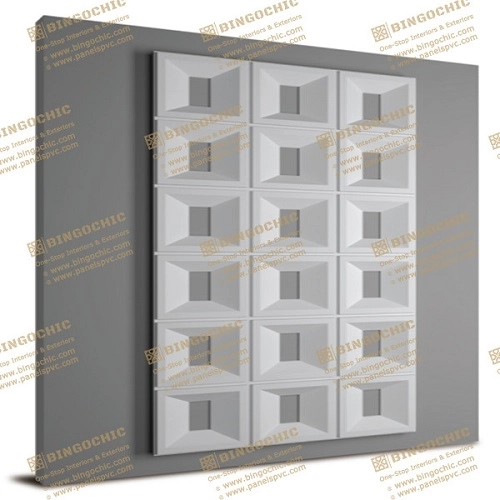
As homeowners, designers, and builders increasingly seek materials that combine aesthetic appeal with environmental responsibility, eco-friendly faux stone wall panels have emerged as a standout choice. These panels mimic the look and texture of real stone without the resource-intensive extraction and heavy carbon footprint associated with natural stone.
Faux stone wall panels are manufactured architectural cladding systems that replicate the appearance of natural stone. They’re typically lightweight, modular panels installed on interior or exterior walls to provide texture, depth, and a timeless look without the cost and logistical challenges of quarrying and transporting real stone.
While traditional faux stone panels have used petroleum-based plastics or cement composites, eco-friendly varieties prioritize sustainable feedstocks, low energy production, and end-of-life recyclability.
The environmental profile of a faux stone panel is largely determined by its material composition.
These panels are made from post-consumer and post-industrial plastic waste, such as recycled polyethylene (rPE) or polypropylene (rPP). By diverting plastics from landfills and reducing reliance on virgin polymers, these panels offer a lower carbon footprint.
Bio-based alternatives use materials derived from renewable sources like plant oils, corn starch, or lignin. When paired with natural fillers such as wood fiber or mineral dust, they result in a biocomposite panel.
These are typically made from recycled mineral waste (e.g., stone dust, fly ash, slag) bound with eco-resins. They can closely mimic the visual texture of granite, limestone, or slate.
Advanced manufacturing technologies like rotational molding, compression molding, or injection molding can reduce energy consumption compared to traditional cement casting.
Rotational molding: Heated mold rotates to distribute material evenly; ideal for hollow or lightweight panels with minimal waste.
Compression molding: High pressure forms dense, durable panels with uniform thickness.
Recycled plastics (PCR/PIR)
Industrial byproducts (fly ash, mineral fillers)
Reclaimed stone fines
These inputs reduce demand for virgin raw materials and feed waste streams back into productive use.
Eco-friendly panels minimize volatile organic compound (VOC) emissions by using water-based binders and low-VOC surface sealants. This improves indoor air quality (IAQ)—a key consideration in residential builds.
| Property | Typical Range (Eco Panels) | Natural Stone |
| Density | 0.9–1.6 g/cm³ | 2.4–2.8 g/cm³ |
| Flexural Strength | 10–45 MPa | 10–40 MPa |
| Impact Resistance | High (due to polymer flexibility) | Moderate |
| Freeze-Thaw Durability | Excellent (depending on binder) | Excellent |
| Thermal Conductivity (k) | 0.2–0.6 W/m·K | 1.5–3.5 W/m·K |
This prevents water infiltration and reduces risk of mold or delamination in exterior applications.
Eco panels eliminate quarrying and reduce land disturbance, conserving ecosystems and lowering embodied energy.
By using recycled and renewable inputs, manufacturers can significantly cut lifecycle CO₂ emissions, especially when paired with low-energy molding.
Low-VOC binders and coatings prevent toxic emissions, making panels safer for interior environments.
Life Cycle Assessment (LCA) studies typically show eco-friendly panels outperform both traditional faux stone and quarried stone in total environmental impact.
Advanced manufacturing allows for high-resolution textures and color fidelity, enabling designers to achieve realistic stone appearances with consistent quality. Custom molds can replicate unique stone types for tailored projects.
Joint sealing with compatible, low-VOC sealants improves weather resistance.
Government incentives for sustainable building materials may also apply depending on location.
Accent walls in living rooms, fireplaces, and feature walls bring natural texture indoors without heavy stone.
Cladding homes with eco plates improves curb appeal with reduced structural load.
Retail stores, hospitality environments, and corporate spaces use panels for branding and visual impact.
Looking ahead, innovations in bio-resins, carbon capture in production, and circular design practices will continue to advance the environmental performance of these panels.
Eco-friendly faux stone wall panels offer a compelling blend of sustainability, performance, design versatility, and cost-effectiveness. By choosing materials with recycled content, low VOC emissions, and responsible lifecycle design, architects and homeowners can achieve the timeless look of stone while supporting environmental goals. Whether for interior accents or exterior facades, these panels represent a forward-looking option for sustainable construction and design.