Polyurethane Stone is becoming an increasingly interesting material in modern construction, architectural decoration, and interior design. Combining the visual appeal of natural stone with the practical advantages of polyurethane materials, it offers an alternative for projects that require decorative versatility, reduced weight, and convenient installation.
As construction and interior design projects continue to explore more efficient building materials, polyurethane stone products are attracting attention for their potential applications in residential, commercial, and hospitality environments.
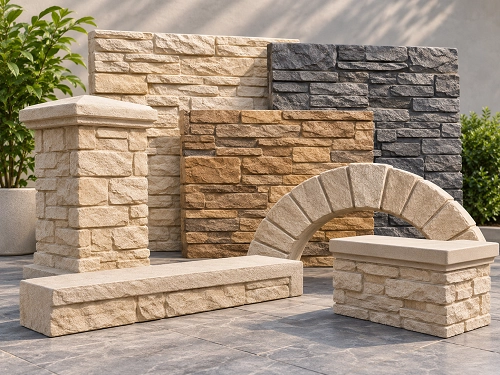
Polyurethane Stone is a decorative material made primarily from polyurethane, a versatile polymer that can be molded into different shapes, textures, and surface finishes. It is designed to reproduce the appearance of natural materials such as stone, brick, and other architectural surfaces.
Unlike traditional natural stone, polyurethane stone is generally much lighter and can be manufactured with consistent patterns and detailed textures. This makes it suitable for decorative applications where the appearance of stone is desired without the weight and installation requirements associated with conventional masonry materials.
Depending on the product design and manufacturing process, polyurethane stone can feature different colors, surface patterns, and finishes to accommodate various architectural styles.
Several characteristics make polyurethane stone worth considering for modern decorative and construction projects.
1. Lightweight Construction
One of the main advantages of polyurethane stone is its relatively low weight compared with natural stone. Lightweight decorative materials can simplify transportation, handling, and installation, particularly in renovation projects and applications involving interior walls.
2. Flexible Design Options
Polyurethane materials can be molded into different shapes and textures. Manufacturers can develop stone-inspired surfaces, brick patterns, and customized decorative designs, providing architects and designers with more options for different project requirements.
3. Convenient Installation
Many polyurethane stone products are designed as decorative panels or modular components. Depending on the installation system, they can offer a more convenient installation process than traditional stone masonry.
4. Consistent Appearance
Manufacturing processes allow polyurethane stone products to maintain relatively consistent dimensions, textures, and colors. This can help create a uniform decorative appearance across larger wall surfaces.
5. Applications in Different Environments
Polyurethane stone can be considered for a variety of decorative applications, including feature walls, commercial interiors, residential decoration, and selected exterior architectural projects. Product specifications should always be checked against the environmental and installation requirements of each project.
The versatility of polyurethane stone makes it suitable for several architectural and decorative applications.
Residential Buildings: Decorative wall panels, living room feature walls, fireplace surrounds, and other interior design elements.
Commercial Spaces: Hotels, restaurants, retail stores, offices, and reception areas.
Architectural Decoration: Stone-effect wall finishes, decorative facades, and architectural detailing.
Renovation Projects: Lightweight decorative alternatives for updating existing wall surfaces.
Its ability to reproduce different stone textures makes it particularly useful for projects that aim to achieve a natural stone appearance while considering installation efficiency and material weight.
When selecting decorative wall materials, project owners often compare polyurethane stone with natural stone. Both materials can create attractive stone-inspired architectural surfaces, but they serve different project needs.
|
Comparison |
Polyurethane Stone |
Natural Stone |
|---|---|---|
|
Weight |
Lightweight |
Relatively heavy |
|
Appearance |
Molded stone-like textures |
Authentic natural textures |
|
Installation |
Generally simpler |
Often requires more labor |
|
Design |
Various molded patterns |
Depends on natural stone |
|
Transportation |
Easier to handle |
Higher handling requirements |
|
Customization |
Flexible mold and color options |
Limited by natural materials |
Polyurethane stone is particularly attractive for decorative projects where lightweight construction, installation convenience, and design flexibility are important. Natural stone remains a preferred choice for applications requiring genuine stone characteristics and specific structural performance.
Although polyurethane stone offers several advantages, product quality and technical specifications should be carefully evaluated before purchasing.
Buyers should pay attention to the following factors:
Material Quality: Check the polyurethane formulation, density, and overall product consistency.
Surface Finish: Evaluate texture details, color consistency, and the realism of the stone appearance.
Fire Performance: Review the product's fire classification and relevant test documentation.
Weather Resistance: For exterior applications, check UV resistance, moisture resistance, and suitability for local climate conditions.
Installation Requirements: Confirm compatible adhesives, mechanical fixing methods, and substrate requirements.
Manufacturer Capabilities: Consider production capacity, customization options, quality control, and delivery reliability.
These factors help distributors, contractors, and project developers select products that match their specific application requirements.
The development of lightweight decorative materials reflects a broader interest in construction efficiency, material innovation, and flexible architectural design.
Polyurethane stone manufacturers are continuing to explore improvements in surface textures, product formulations, protective coatings, and customized manufacturing. Greater attention is also being given to fire performance, outdoor durability, and more consistent production standards.
For international buyers, OEM and ODM manufacturing capabilities may also become important considerations. Customized colors, patterns, panel dimensions, and packaging can help distributors and building material brands develop product collections for different markets.
As architectural preferences continue to evolve, polyurethane stone is positioned as an alternative decorative wall material for projects seeking a balance between appearance, practicality, and installation efficiency.
Polyurethane Stone offers an alternative approach to traditional stone-effect decoration by combining lightweight polyurethane construction with versatile surface designs. From residential feature walls to commercial interiors and selected architectural applications, it provides manufacturers, designers, and contractors with additional material choices.
When selecting polyurethane stone products, buyers should look beyond appearance and consider material quality, fire performance, weather resistance, installation methods, and manufacturer reliability. These considerations are essential for achieving suitable results in different construction and decoration projects.