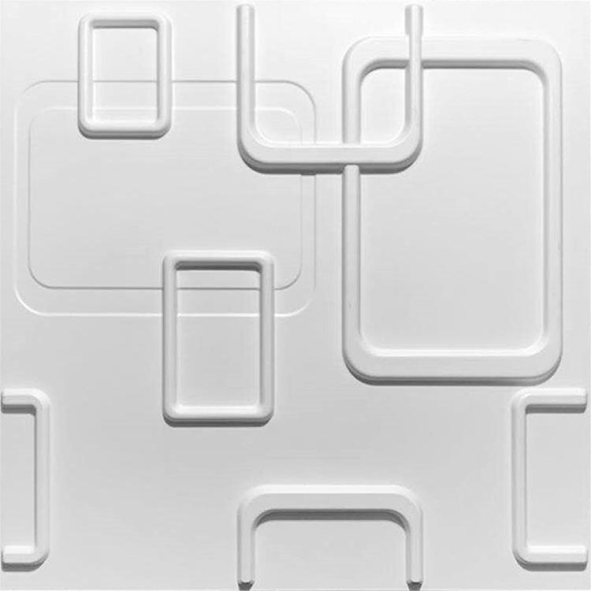
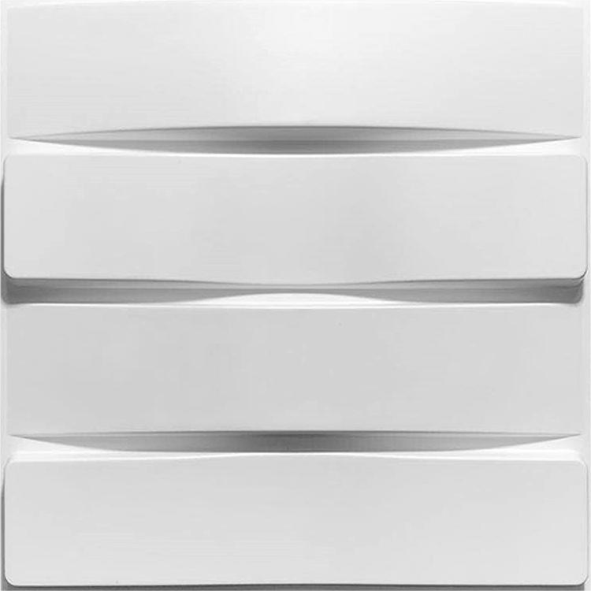
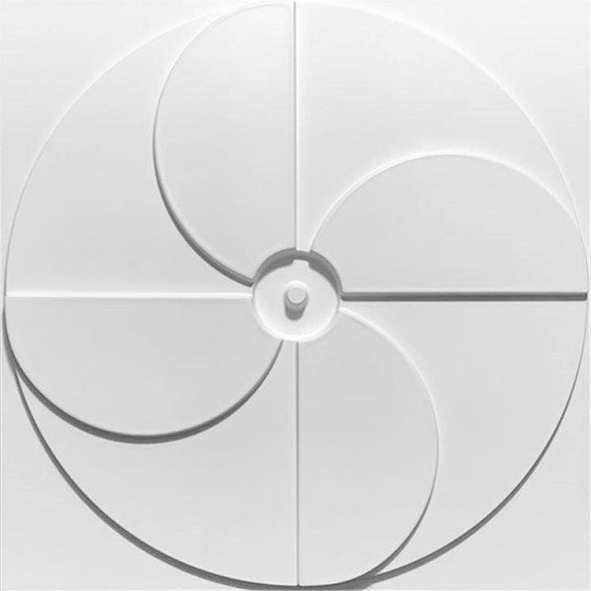
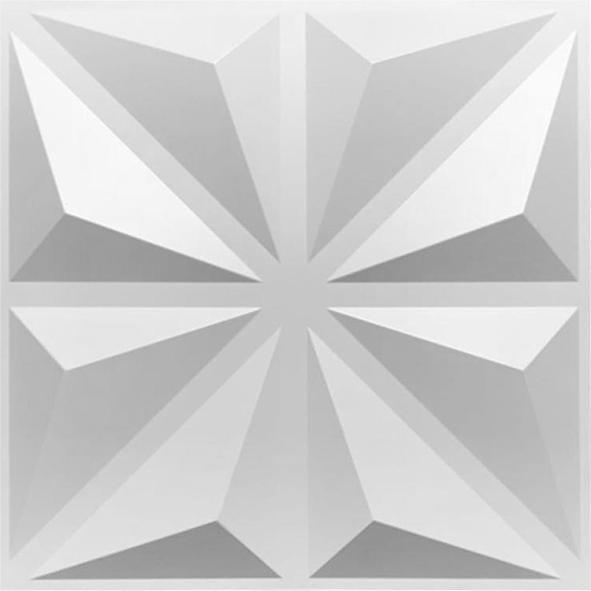
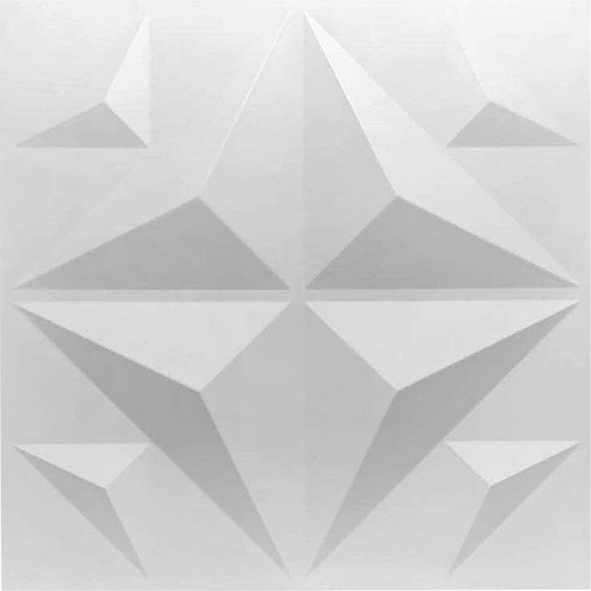
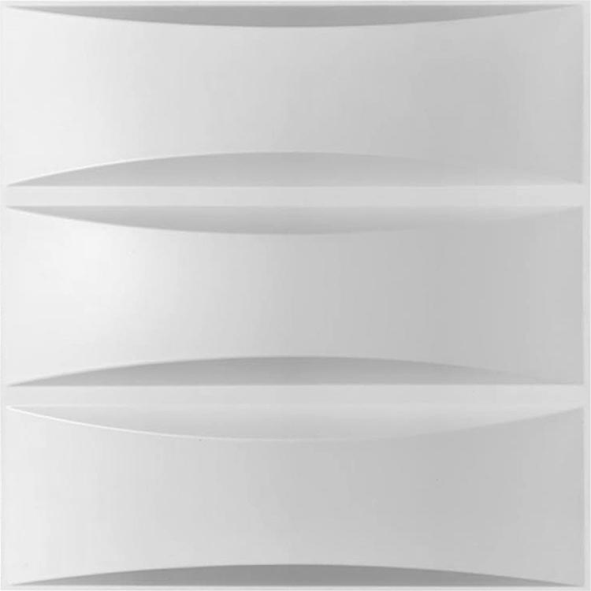
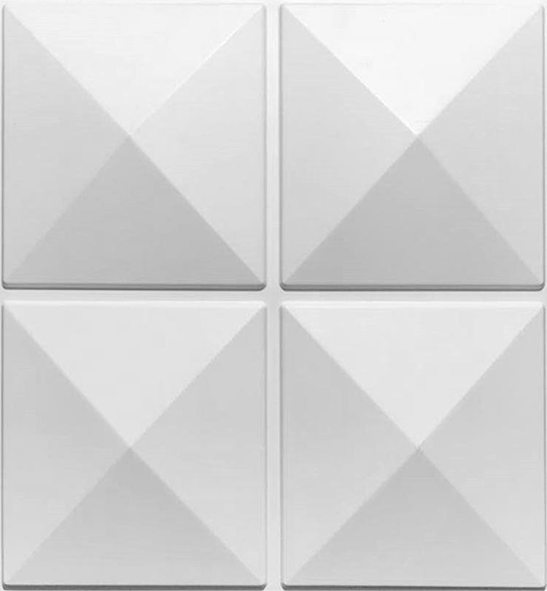
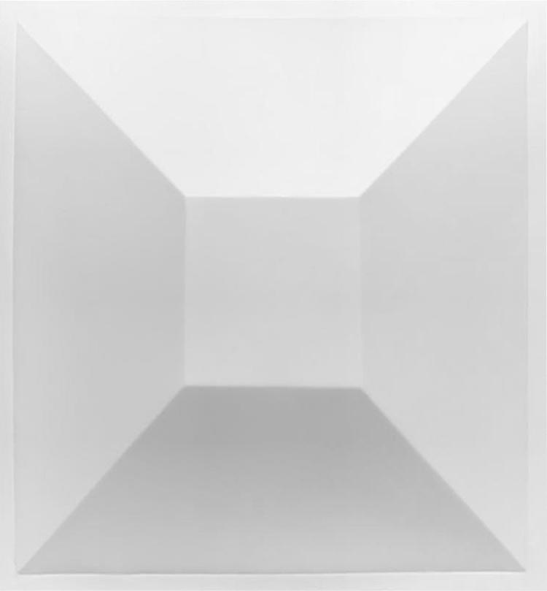
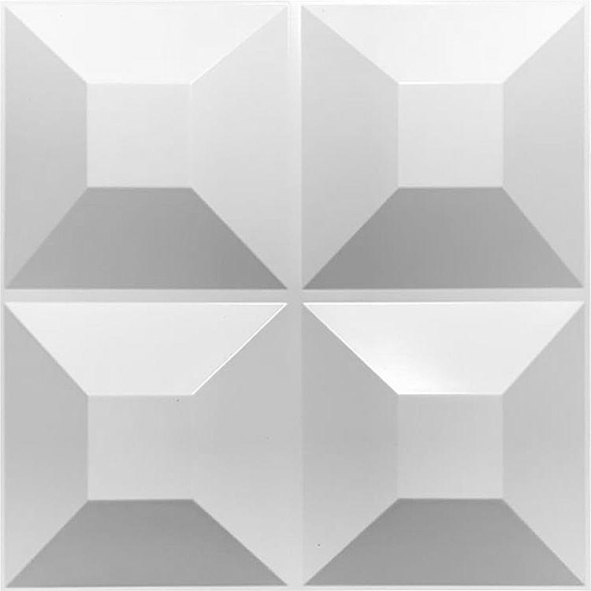
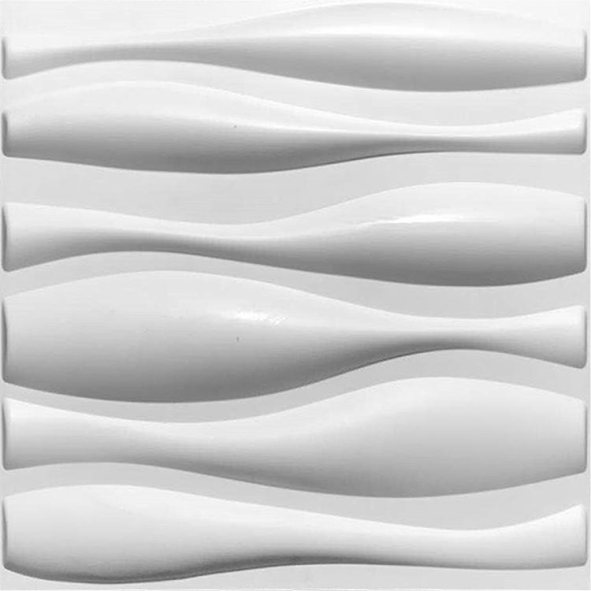
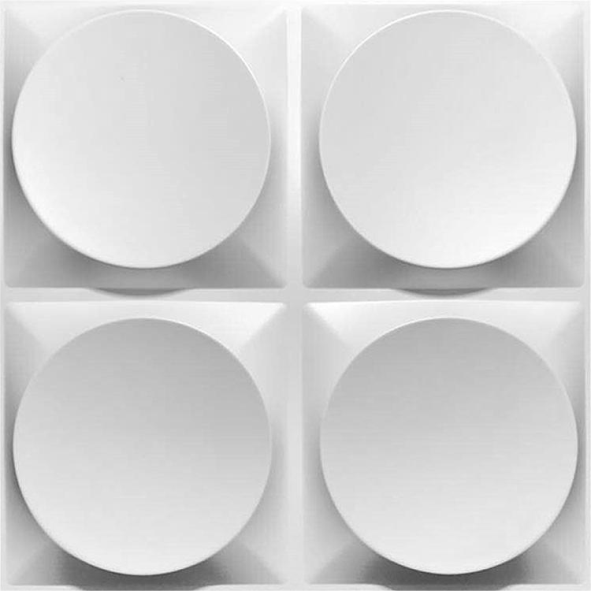
Enhance any interior with our 3D PVC wall panel, engineered to add depth, texture, and modern style to your space. Crafted from lightweight, durable PVC, this 3D PVC wall panel installs easily with standard adhesive and adheres smoothly to most surfaces. Its sculpted geometric design creates striking visual interest, making it ideal for feature walls in living rooms, bedrooms, offices, and commercial areas. Moisture-resistant and low-maintenance, it performs beautifully in kitchens and bathrooms without warping or fading. The panel can be painted to match your décor, offering endless customization for subtle accents or bold transformations. Perfect for DIY projects, it delivers professional-quality results at an affordable price. Bring contemporary dimension to your environment with a versatile wall panel that combines durability, style, and effortless installation.
3D PVC wall panels are lightweight, decorative panels made from polyvinyl chloride that add texture, depth and practical performance to interior walls and ceilings. They’re a fast-growing choice for commercial and residential fit-outs because they combine eye-catching design with durability, waterproofing and simple installation.
What they do — core product functions
- Decorative depth & visual impact: Create a sculptural, tactile surface (waves, bricks, geometric patterns) that turns flat walls into a design feature without heavy construction.
- Concealment: Hide minor wall irregularities, wiring, pipe runs and mounting points while keeping installation non-destructive.
- Moisture resistance: PVC is inherently waterproof — ideal for wet areas, bathrooms, kitchens and basements.
- Durability & impact resistance: More resistant to knocks and scuffs than plasterboard finishes, extending life in high-traffic areas.
- Easy maintenance: Non-porous surface wipes clean with gentle detergents; stain-resistant compared to fabric/wallpaper.
- Lightweight acoustic improvement: When paired with a backing material (foam, mineral wool) panels reduce reverberation and improve perceived acoustic comfort.
- Thermal & hygienic performance (ancillary): Panels add a small amount of thermal buffering and can be supplied with mould-inhibiting or anti-bacterial surface treatments for hygiene-critical zones.
Typical product features
- Varied textures and patterns: organic (waves, leaves), geometric (hexagons, cubes), faux materials (stone, wood grain).
- Multiple finishes: matte, satin, gloss, metallic-look, and painted/printed finishes.
- Interlocking or tongue-and-groove edges: for fast, seamless installs with minimal visible joints.
- Peel-and-stick / adhesive-ready options: for quick, tool-light installations in retrofits.
- Back-cavity designs: hidden cavities behind some profiles for acoustic insulation or cable routing.
- Fire-retardant formulations: available to meet stricter building codes (specify regional requirements when ordering).
- UV-stabilized and colourfast: prevents fading when exposed to daylight.
- Anti-microbial / anti-mould coatings: optional for healthcare, foodservice and washroom environments.
- Recyclable and low-VOC variants: formulations that reduce environmental/indoor air impacts.
Product specifications — common options
Note: these are typical industry ranges. Exact values vary by SKU and manufacturer.
- Material: PVC (polyvinyl chloride), sometimes modified with impact/UV stabilizers. Optionally reinforced with fiberglass backing.
Panel size (common):
- 300 × 300 mm (small tiles)
- 595 × 595 mm (suspended-ceiling friendly)
- 600 × 600 mm (modular)
- 1220 × 2440 mm / 1220 × 600 mm (large sheet)
- Thickness: 2 mm — 12 mm (typical finished relief 3–8 mm)
- Weight: 0.5 – 6.0 kg/m² depending on thickness and backing
- Finish: matte / satin / gloss / textured / printed
- Edge type: straight, interlocking, tongue-and-groove
- Fire safety: standard PVC is combustible; fire-retardant grades available to meet regional codes on request
- Temperature range: functional between approximately -20°C to +60°C (avoid prolonged exposure to higher temps)
- Acoustic performance: improves sound absorption when combined with insulation; panels alone provide modest reverberation control
- Warranty: typically 1–5 years depending on finish and intended use
- Packaging: boxed, foam-protected; pallets for bulk orders
- MOQ & lead time: varies — small stock SKUs often available, custom colours/patterns require minimum order quantities and longer lead-times
Instructions for use — installation & handling (step-by-step)
Before you start
- Assess substrate: panels bond best to clean, dry, structurally sound surfaces (painted plasterboard, smooth concrete, timber). Remove loose paint, dust, grease and flaking plaster.
- Measure & plan: map panel layout to reduce small edge cuts; start from a prominent wall corner or focal point. Account for expansion gaps (typically 2–4 mm around perimeter).
Tools & materials
- Utility knife, fine-tooth saw or jigsaw (for thicker panels)
- Construction adhesive (polyurethane or recommended PVC adhesive) or double-sided mounting tape for peel-and-stick systems
- Spirit level, tape measure, pencil
- Silicone sealant for wet areas, trim profiles or corner trims for neat edges
- Protective gloves and eye protection
Installation (adhesive method)
- Dry-fit panels to check alignment and trimming requirements.
- Apply manufacturer-recommended adhesive in beads or dots across the panel back (or use strips of double-sided tape for lighter panels).
- Press panel firmly to wall, leveling as you go. Use temporary spacers to maintain even joint lines.
- If panels interlock, assemble edges per instructions and tap gently to engage.
- Seal joints and perimeter with flexible silicone in wet areas, or install matching trim profiles for a clean finish.
- Allow adhesive cure time before loading or finishing (follow adhesive manufacturer’s instructions).
Alternative mounting (mechanical / stud frame)
- Fix lightweight battens to the wall, screw panels into battens using concealed fasteners. Use foam insulation behind panels where acoustic/thermal improvement is needed.
Cutting & finishing
- Thin panels: score with a utility knife and snap. Thicker panels: cut with a jigsaw or fine-tooth blade.
- Painted finishes: use water-based acrylic paints if touch-up is required (test on a scrap first).
- For ceilings, ensure fixings and adhesive rated for overhead application.
Cleaning & maintenance
- Wipe with damp cloth and mild detergent. Avoid abrasive cleaners and strong solvents.
- Small scratches: light rubbing with a non-abrasive cleaner; deeper damage may require panel replacement.
Applicable industries & typical use cases
- Residential: feature walls in living rooms, bedrooms, bathrooms (moisture-resistant), kitchen splashbacks, loft conversions, ceilings.
- Hospitality: hotel lobbies, bar back-walls, restaurant feature walls, nightclub interiors where dramatic textures matter.
- Retail & visual merchandising: product display backdrops, point-of-sale features, pop-up stores and exhibition stands.
- Offices & coworking: reception areas, meeting-room accent walls, acoustic improvement with backing.
- Healthcare & laboratories: washable, anti-microbial versions for corridors, reception desks and staff rooms (ensure spec meets local hygiene codes).
- Education & public buildings: durable finish for corridors, multipurpose rooms, and auditoria (combined with acoustic backing).
- Film, TV & events: set dressing for quick installs and lightweight transportable scenery.
- Marine & leisure: boat interiors, spa areas (choose UV-stable, marine-grade formulations).
Target customers — who buys 3D PVC wall panels?
- Architects & interior designers: specifying texture, finish and performance in published schemes.
- General contractors & fit-out companies: fast install, low-weight finishes for commercial projects.
- Retail chains & visual merchandisers: rapid pattern change with minimal downtime.
- Hospitality owners & hotel groups: durable, washable surfaces for high-traffic public areas.
- Property developers & landlords: cost-effective ways to upgrade showflats and common areas.
- DIY homeowners: peel-and-stick options and lightweight panels that reduce labour costs.
- Event production companies & set designers: modular panels that transport and install quickly.
Buying guide — how to choose the right 3D PVC panel
- Decide function first: decoration only, moisture-prone area, acoustic improvement, or cable concealment — choose product variants that are formulated for the function.
- Check fire performance & certifications: confirm fire-retardant grades and whether the product can meet your local building code.
- Choose finish wisely: matte finishes hide surface marks better; gloss finishes give a high-impact look but show fingerprints.
- Match panel thickness to impact risk: thicker panels are more robust where knocks are likely.
- Confirm installation method: adhesive-ready vs. screw-fixed vs. peel-and-stick depending on substrate and permanence.
- Order samples: colour, texture and light-shadow play are best judged in-situ.
- Plan for waste & cuts: order 5–10% extra for cuts and damage, or more for complex layouts.
Frequently asked questions (short)
Can 3D PVC panels be painted?
- Yes — most can be painted with water-based acrylics once primed; test first.
Are panels suitable for bathrooms?
- Yes — waterproof panels designed for wet zones are available, but ensure correct edge sealing and ventilation.
Do they help with soundproofing?
- Alone, they reduce echo and reverberation slightly. Combine with acoustic backing or foam to increase sound absorption.
Are they eco-friendly?
- PVC is recyclable; many manufacturers offer low-VOC, lead-free formulas and take-back/recycling programs. Ask suppliers for specific environmental declarations.
Closing — product positioning statement
3D PVC wall panels are a high-impact, practical way to transform interiors quickly and affordably. They combine design flexibility with real-world performance: waterproofing, low weight, durability and easy maintenance. For designers and specifiers, they deliver dramatic surface texture without structural change; for contractors and DIYers they cut installation time and risk. When specified with the right grade and finishes, 3D PVC panels are a versatile solution across residential, commercial and specialist markets.
Contact Us
We’d love to hear from you! Whether you have questions about our products, need assistance with your order, or simply want to share feedback, our team is here to help.
Address: No. 8 Feng Road, Shuangfeng Village, Yuanhua Town, Haining City, Zhejiang Province, China
Phone: +86-400-0573-073
Email: admin@admin.cn
Website: 3D PVC Wall Panel
Or simply fill out our contact form on the website, and we’ll get back to you within 24 hours.